Durable Landscape Builds from Maple Valley's Top Designers
Enhancing your outdoor living space in Maple Valley starts with a professional planner who understands the unique demands of the Pacific Northwest climate. From property redesign to commercial site development, expert grading and drainage ensures lasting beauty and function.
- Eco-friendly hardscape design built for durability
- Green infrastructure using region-appropriate greenery
- End-to-end softscape installation with adherence to King County zoning regulations
Whether you're seeking cost-effective solutions or a high-end landscape master planning experience, Maple Valley offers reliable outdoor experts ready to bring your vision to life.
The Role of Landscape Architecture in Modern Design

Fundamentals of Landscape Architectural Design
Land planning is the creative practice of redeveloping outdoor environments to balance visual beauty with everyday functionality. Licensed landscape architects apply detailed site planning, grading and drainage, and sustainable landscaping principles to create spaces that are both inviting and low-impact.
- Blend natural terrain with innovative hardscape design
- Prioritize long-term sustainability in every design
- Collaborate with certified arborists and engineers for thorough site solutions
Landscape Architecture vs. Landscape Design
While a licensed landscape designer may focus on garden aesthetics, a professional landscape architect handles complex projects involving zoning compliance. They’re trained in site engineering, making them essential for public green infrastructure in Maple Valley’s varied topography.
Most licensed landscape architects can file permits that meet King County zoning regulations, especially when dealing with irrigation system design.
Role in Urban Planning
Professional landscape architects play a critical role in shaping mixed-use spaces by designing resilient environments. From parks to plazas, they incorporate native plants Washington into master plans that serve both residents and wildlife.
- Develop multi-use trails using recycled materials
- Integrate rain gardens and bioswales for effective stormwater management
Principles of Eco-Friendly Landscaping
In the Pacific Northwest climate, sustainable landscaping means leveraging natural conditions to reduce water use. By using native plants Washington ecosystems depend on, installing smart irrigation system design, and applying low-maintenance landscaping strategies, experts ensure your outdoor space thrives with efficient resource use.
Forward-thinking design also includes solar-powered landscape lighting design, compost-rich soils, and habitat restoration—key components of true eco-friendly landscaping in Maple Valley property design.
Top Services Offered
Custom Home Landscape Planning
Whether you’re building from scratch or renovating, residential landscape architecture transforms your Maple Valley property into a functional outdoor living space. Through professional site analysis and landscape master planning, experts tailor every element—from grading and drainage to softscape installation—to match your lifestyle and the Pacific Northwest climate.
- Craft elegant transitions between home and garden using custom hardscape design
- Feature outdoor kitchen design and patio and walkway installation for seamless entertaining
Corporate Site Design Solutions
Commercial site development demands visually impactful landscapes that reflect brand values while managing real-world challenges like foot traffic, parking, and stormwater runoff. A skilled landscape architect delivers high-performance designs using native plants Washington to reduce costs and environmental impact.
From retail centers to office parks, these designs enhance curb appeal while meeting King County zoning regulations and green infrastructure requirements.
Outdoor Living Spaces
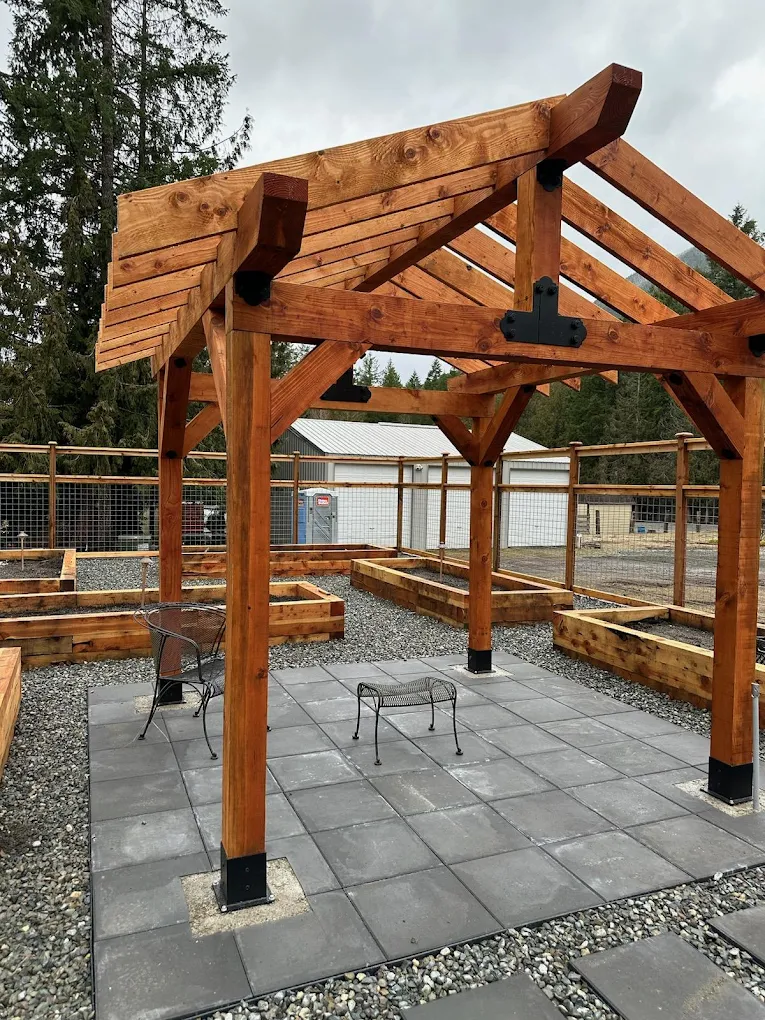
Turn your yard into a versatile outdoor living space with expertly planned features like fire pits, pergolas, and landscape lighting design. These elements extend your home’s usable area and create a seamless flow between indoor and outdoor environments.
- Create cozy conversation zones with weather-resistant seating and natural stone accents
- Integrate outdoor kitchens and dining areas with efficient patio and walkway installation
Sustainable Water Handling Systems
In Maple Valley’s rainy environment, proper stormwater management is non-negotiable. Experts use rain garden installations, bioswales, and strategic grading and drainage to prevent flooding, erosion control failures, and property damage. These eco-friendly systems also filter pollutants and recharge groundwater.
By green infrastructure like permeable pavers and native plant buffers, your landscape becomes a functional part of the larger watershed—protecting both your property and the Puget Sound region.
Advantages of Working with Regional Professionals
Understanding Local Weather Patterns
Only professionals familiar with the Pacific Northwest climate can design landscapes that thrive through constant drizzle, sudden sun, and seasonal shifts. They select plants and materials that withstand moisture, resist mold, and stay vibrant year-round—avoiding costly replacements and maintenance.
- Specify flora adapted to damp shade
- Build hardscapes with slip-resistant, freeze-thaw durable materials
Navigating King County Regulations
Local landscape architects know exactly how King County zoning regulations affect setbacks, tree removal, drainage modifications, and structure placement. This insider knowledge speeds up permitting and avoids fines or rework—saving you time, money, and frustration during landscape construction.
Whether retaining walls, sheds, or extensive grading and drainage, their experience ensures full compliance from concept to final install.
Using Washington’s Indigenous Flora
Native plants Washington supports are the backbone of sustainable landscaping—requiring less water, attracting pollinators, and resisting local pests. A licensed landscape designer selects species like salal, red flowering currant, and Douglas fir to create resilient, low-maintenance landscapes that support biodiversity.
- Transform invasive species with regionally appropriate natives
- Boost habitat value while reducing irrigation needs
Building Landscapes That Give Back
Your yard doesn’t exist in isolation. Eco-friendly landscaping connects to broader ecosystems by supporting birds, bees, and soil health. Through rain garden placement, organic mulching, and erosion control techniques, local experts ensure your property contributes positively to the environment.
In urban backyards to rural estates, every design becomes a small but powerful act of conservation in the Puget Sound region.
How Landscape Architecture Projects Come to Life
Professional Site Evaluation
Your project starts with a comprehensive professional site analysis, where the landscape architect evaluates sunlight, soil, drainage, and existing vegetation. This critical phase identifies opportunities and constraints—like erosion control needs or microclimates—that shape the entire design.
- Perform detailed surveys of topography, utilities, and view corridors
- Discuss your vision, budget, and timeline for affordable landscape architecture
Early Stage Layouts and Ideas
Based on your goals and site conditions, the team creates hand-drawn or digital sketches showing potential layouts for hardscape design, softscape installation, and outdoor living space zones. These early visuals help you approve flow, function, and form before moving forward.
With small yards or sprawling estates, these concepts balance creativity with practicality—always respecting Maple Valley property design challenges.
3D Renderings and Revisions
Advanced 3D renderings bring your landscape master planning to life, letting you “walk through” your future patio and walkway installation or outdoor kitchen design. You can request revisions—changing materials, plant types, or furniture placement—until every detail feels just right.
- Preview realistic models of lighting, shadow, and seasonal color changes
- Refine irrigation system design and grading and drainage paths virtually
Final Installation Planning
The final phase turns vision into reality with detailed construction documents, material specifications, and a clear project timeline. The landscape architect coordinates with contractors, secures permits, and oversees landscape construction to ensure quality and compliance.
At every stage of installation—whether it’s softscape installation, hardscape design, or landscape lighting design—you’re supported by a team committed to excellence in every detail.
Green Landscaping Solutions for Western WA Properties
Water-Absorbing Landscape Installation
Installing a eco-garden helps manage runoff from your roof, driveway, or patio while protecting local water quality. A licensed landscape architect skilled in drainage planning can design a rain garden that blends into your property using Pacific Northwest perennials. These gardens reduce erosion, filter pollutants, and add natural beauty.
- Use regionally-adapted flora for optimal stormwater absorption
- Position the drainage garden adjacent to driveways for smooth water collection
- Add layers of gravel, soil, and mulch to boost filtration and root development
Eco-Smart Paving Solutions
Revamp your walkway with porous concrete that allow rainwater to seep into the ground instead of pooling or flooding. These systems are a key part of stormwater management and comply with environmental standards. A professional site analysis by a landscape architect ensures your system works with your property’s grading and drainage.
- Use interlocking pavers to minimize surface runoff and flooding
- Link with patio and walkway installation for a functional look
Xeriscaped Planting Strategies
Creating a water-smart landscape is essential for thriving in the seasonal dry spells. By selecting native plants Washington, you reduce water use and maintenance demands. A certified landscape architect can guide your plant palette with species that support biodiversity.
Pollinator-Friendly Integration
Foster local birds, bees, and butterflies by weaving pollinator corridors into your Maple Valley property design. This involves strategic placement of berry-producing shrubs and avoiding invasive species. A landscape master planning approach ensures your garden browse around these guys becomes part of a larger green infrastructure.
Selecting the Perfect Landscape Design Firm in Western Washington
Confirm Licenses and Certifications
Make sure you confirm your firm holds a valid license through the state and meets legal requirements. Look for credentials like certified arborist to ensure expertise in commercial site development. These qualifications protect your investment and guarantee adherence to environmental rules
Review Local Before-and-After Photos
Exploring real-world examples of a firm’s landscape construction work gives you insight into their attention to detail. Focus on projects in similar climates to gauge how well they handle the Pacific Northwest climate. A strong portfolio reflects experience in softscape installation.
- Seek consistency in plant health
- Compare the use of permeable pavers in completed builds
Review Service Rate Models
Clarifying how firms charge—whether hourly rate—helps you avoid surprises and choose budget-friendly services. Some include landscape master planning in upfront quotes, while others bill separately. A transparent landscape architect will outline all costs tied to patio and walkway installation.
Check Client Feedback
Verified client testimonials reveal how a firm handles communication, timelines, and unexpected challenges during outdoor kitchen design. Look for praise about attention to detail—especially for projects involving erosion control. A most experienced Maple Valley landscape architecture team will have consistent glowing feedback across platforms.
- Highlight mentions of sustainable landscaping
- Look for stories involving regulatory hurdles
Upkeep and Year-Round Landscape Health
Seasonal Landscape Assessments
Plan quarterly checkups with a professional maintenance team to catch issues before they escalate. These visits assess plant vitality, drainage flow, and compliance with erosion control standards. Early detection means longer lifespan for your commercial property.
Drip Line Upkeep
Tune your sprinkler layout in top shape to prevent waste, overwatering, or dry patches. A professional licensed landscape designer can audit your setup for leaks, misaligned heads, or inefficiencies tied to the Pacific Northwest climate. Upgrading to smart controllers and drip lines boosts low-maintenance landscaping.
- Test valves, timers, and nozzles twice a year
- Modify watering schedules to match plant needs
- Upgrade to smart controllers for precise delivery
Trimming and Wellness
Consistent pruning promotes dense growth while preventing disease and structural weakness in trees and shrubs. Work with a certified arborist familiar with Pacific Northwest species. Proper cuts and timing ensure your garden remains resilient year after year.
Slope Protection Monitoring
Monitor vulnerable slopes, drainage paths, and newly installed areas to prevent foundation damage. Effective ground cover strategy uses biodegradable mats—all part of a larger sustainable landscaping strategy. A professional site analysis helps identify high-risk zones before planting or construction.
- Anchor rock check dams on vulnerable banks
- Grow native plants Washington to enhance green infrastructure
Frequently Asked Questions Related to Landscape Architecture Services in Maple Valley, WA
How Can a Landscape Architect Help Me
A certified outdoor design expert in Maple Valley delivers full-scale property analysis that integrates hardscape installations with softscape installation. They specialize in stormwater management, ensuring your property works with natural water flow patterns. Whether you're planning a new entertainment area, they bring together eco-friendly landscaping principles for lasting results.
How Is a Landscape Architect Different From a Landscaper
Unlike general landscapers who focus on mowing, a registered design professional undergoes rigorous training and can legally sign off on projects involving King County zoning regulations. They provide professional site analysis and collaborate with green infrastructure specialists when needed. Their expertise covers everything from permeable pavers to multi-phase outdoor builds.
This technical precision is especially valuable for hillside lots, where compliance and sustainability are non-negotiable. You gain access to eco-conscious outdoor solutions that standard lawn services simply can’t offer.
Can You Help With Sustainable Landscaping in Maple Valley
Absolutely—eco-friendly landscaping is central to modern design in the Puget Sound region. We incorporate native plants Washington that thrive in our wet winters and dry summers. Our team designs rain gardens to support natural stormwater management without relying on costly drainage pipes.
From edible gardens to recycled material hardscapes, we help you build a yard that’s as efficient in resource use as it is beautiful and functional.
Do You Handle Both Design and Construction
Yes—many top firms offer end-to-end outdoor design and build solutions. This means seamless coordination between 3D renderings and actual landscape construction. You avoid miscommunication, stay on budget, and ensure your vision is built exactly as intended.
Our certified installers handles everything from irrigation system design to final planting and fire feature setup, giving you a single point of accountability from start to finish.
Is Professional Design Worth the Investment
You’ll find a range of pricing depending on scope, but value-driven design services is available without sacrificing quality. Small projects like a front yard refresh may start at a few thousand, while full commercial site development involve deeper investment. The key is working with a firm that offers phased implementation tailored to your goals.
Investing in a licensed designer often pays off through better stormwater compliance. You’re not just paying for looks—you’re gaining smart design that considers King County zoning regulations, saving you money and headaches down the road.